


Introduction to the 5×5 Workout Method
Are you looking to build serious strength, muscle, and a no-nonsense training routine? The 5×5 workout method is a classic approach that has powered generations of lifters, from golden-era bodybuilders to modern strength athletes. This method is simple, effective, and easy to follow, making it perfect for teens who want to get started with weightlifting.
What is the 5×5 Workout Method?
The 5×5 method stands for five sets of five reps. You’ll use this format for your major compound lifts, such as squats, deadlifts, presses, and rows. These lifts train the most muscle mass and demand total-body coordination. Instead of chasing variety, you’ll master a small set of powerful movements while steadily adding weight to the bar.
PREMIUM PRODUCTS

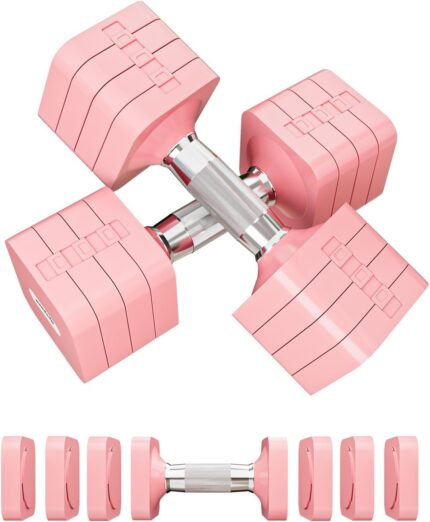
15LBS 20LBS Adjustable Dumbbell Set, 4 in 1 Free Weights Dumbbells Set for Women Men Hand Weights Set Adjust Dumbbell Weight Set for Home Gym Exercise Workout Strength Training Equipments
Original price was: $79.99.$70.99Current price is: $70.99.


How the 5×5 Method Works
The 5×5 method focuses on progressive overload, the principle of gradually increasing the workload over time. This means adding weight, improving form, or both. With 5×5, you’ll add weight in manageable jumps each week. Over time, those small increases will lead to serious strength gains.
The Origins of the 5×5 Workout Method
The 5×5 method has its roots in the training routines of Reg Park, a legendary bodybuilder and three-time Mr. Universe. Park used heavy barbell training and full-body workouts to build both size and strength. The method evolved in the 1970s when strength coach Bill Starr introduced it to football players and athletes. Today, the 5×5 method lives on in countless strength templates, from beginner programs to intermediate and advanced progressions.
The Three-Day Split 5×5 Workout Plan
Here’s a classic three-day split that alternates two different full-body workouts. You’ll train three non-consecutive days per week, such as Monday, Wednesday, and Friday.
Workout A
- Back Squat: 5 sets of 5 reps
- Bench Press: 5 sets of 5 reps
- Barbell Row: 5 sets of 5 reps
Workout B
- Back Squat: 5 sets of 5 reps (use lighter weight or fewer sets to manage fatigue)
- Overhead Press: 5 sets of 5 reps
- Deadlift: 1 set of 5 reps (yes, just one – deadlifts are taxing and need smart volume)
Weekly 5×5 Training Schedule
- Monday: Workout A
- Wednesday: Workout B
- Friday: Workout A (then alternate the following week)
Progression Tip
Add 5 to 10 pounds (at most) to the bar for each lift every week, depending on the lift and your current level of fatigue. When your form breaks down or you hit a plateau, reduce the weight by 10% and gradually build back up.
Core Principles of the 5×5 Method
The 5×5 method sticks to a few key principles. These ideas aren’t complicated, but they’re powerful when applied consistently.
Core Principles
- 5 Sets of 5 Reps: This rep range allows you to use heavier weights than typical hypertrophy sets, while still getting enough total volume to build muscle.
- Compound Lifts Only: The program focuses on big barbell lifts that target multiple muscle groups.
- Progressive Overload: The entire plan hinges on steady progression. Add weight every week when you can.
- Three Full-Body Workouts Per Week: Training three times a week allows for proper recovery while still hitting each movement pattern frequently.
Benefits of the 5×5 Workout Method
- Strength Comes First: This method focuses on developing pure, raw strength.
- Muscle Growth Without the Fluff: Beginners and intermediates often experience noticeable muscle gains simply by adhering to this structure.
- Better Lifting Technique: Frequent practice of squats, deadlifts, and presses leads to cleaner form and more confidence under the bar.
- Efficient Training: You don’t need a massive menu of exercises to get stronger.
How to Program Accessory Movements
While the 5×5 method focuses on compound lifts, accessory movements still play a valuable role. They help you strengthen weak points, support muscle growth, and reduce the risk of injury.
Accessories
- Pick 2 to 3 accessory exercises per session: Choose movements that complement the main lift of the day.
- Keep the volume moderate: Stick to 2-3 sets of 8-12 reps.
- Avoid going to failure: Accessories should challenge you but not leave you gassed.
Common 5×5 Training Mistakes to Avoid
Even simple programs can go off the rails if you don’t pay attention. Keep an eye out for these common pitfalls:
- Starting Too Heavy: Leave your ego at the door. Start with weights you can move with perfect form.
- Ignoring Recovery: Get enough sleep, fuel your body, and take your rest days seriously.
- Skipping Warmups: Transitioning directly from zero to a barbell with no preparation is a fast track to injury.
- Neglecting Accessories or Mobility Work: Compound lifts are king, but mobility and targeted accessory work keep your joints healthy and your progress steady.
Who Should Use the 5×5 Workout Method?
This method is ideal for beginners, intermediates, or anyone looking to return to basics and establish a solid foundation. If you’re trying to build strength, add size, and improve form, 5×5 is a solid fit.
Conclusion
The 5×5 workout method is a simple, effective, and efficient way to build strength and muscle. By following the core principles and avoiding common mistakes, you can achieve serious gains and establish a solid foundation for your training. Remember to start with weights you can handle, focus on progressive overload, and prioritize recovery and accessory work.
FAQs
Q: What is the 5×5 workout method?
A: The 5×5 method stands for five sets of five reps, used for major compound lifts such as squats, deadlifts, presses, and rows.
Q: How often should I train with the 5×5 method?
A: Train three non-consecutive days per week, such as Monday, Wednesday, and Friday.
Q: What are the core principles of the 5×5 method?
A: The core principles are 5 sets of 5 reps, compound lifts only, progressive overload, and three full-body workouts per week.
Q: Can I use the 5×5 method if I’m a beginner?
A: Yes, the 5×5 method is ideal for beginners, as it helps establish a solid foundation and builds strength and muscle.
Q: How do I program accessory movements with the 5×5 method?
A: Pick 2-3 accessory exercises per session, keep the volume moderate, and avoid going to failure.
Q: What are common mistakes to avoid with the 5×5 method?
A: Common mistakes include starting too heavy, ignoring recovery, skipping warmups, and neglecting accessories or mobility work.
Q: Can I use the 5×5 method if I’m an advanced lifter?
A: The 5×5 method may not be ideal for advanced lifters, as it may not provide enough complexity or volume for their needs. However, it can still be used as a foundation or a way to return to basics.