
Introduction to Movement for Back Pain Relief
Are you tired of living with back pain? Do you feel like you’ve tried every remedy under the sun without finding relief? You’re not alone. Back pain is one of the most common complaints among teens and adults, affecting millions of people worldwide. While it can be debilitating, there is hope for relief. Movement, in the form of exercise and physical activity, can be an effective treatment for back pain. In this article, we’ll explore the benefits of movement for back pain relief and provide beginner-friendly poses to get you started.
Understanding Back Pain
Before we dive into the world of movement, it’s essential to understand what causes back pain. Back pain can be acute or chronic, and it can be caused by a variety of factors, including:
PREMIUM PRODUCTS
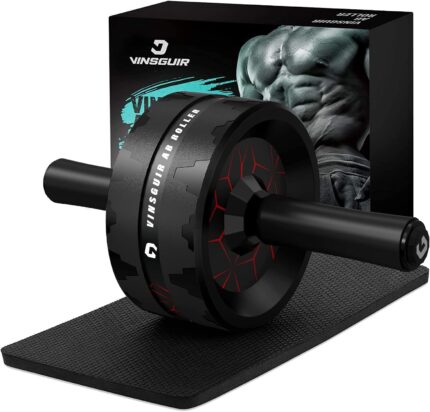






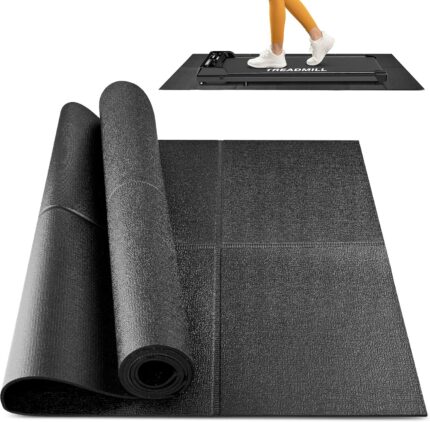
Foldable Rubber Treadmill Mat – Exercise Bike Mat with Waterproof Non-Slip Shock Absorption, Exercise Equipment Mat to Protect Floor for Home Gym Workout
Original price was: $44.99.$24.99Current price is: $24.99.- Poor posture
- Weak core muscles
- Overuse or repetitive strain
- Injury or trauma
- Medical conditions, such as scoliosis or herniated discs
Regardless of the cause, back pain can be frustrating and affect every aspect of your life. That’s why it’s essential to find effective ways to manage and relieve back pain.
Benefits of Movement for Back Pain Relief
Movement, in the form of exercise and physical activity, can be an effective treatment for back pain. Here are some benefits of movement for back pain relief:
- Strengthens core muscles: Movement helps strengthen the muscles in your core, which can help support your spine and reduce back pain.
- Improves flexibility: Movement can help improve flexibility, reducing stiffness and discomfort in the back.
- Reduces inflammation: Exercise can help reduce inflammation, which can contribute to back pain.
- Improves posture: Movement can help improve posture, reducing the strain on your back and relieving pain.
- Reduces stress: Exercise can help reduce stress, which can contribute to back pain.
Beginner-Friendly Poses for Back Pain Relief
Now that we’ve explored the benefits of movement for back pain relief, let’s get started with some beginner-friendly poses. Here are some simple and effective poses to help relieve back pain:
1. Child’s Pose (Balasana)
Child’s pose is a gentle stretch that can help relieve tension in the back and neck. To practice child’s pose:
- Kneel on the ground with your knees wide apart.
- Sit back onto your heels.
- Stretch your arms out in front of you and lower your forehead to the ground.
- Hold for 5-10 breaths.
2. Cat-Cow Pose (Marjaryasana-Bitilasana)
Cat-cow pose is a gentle stretch that can help relieve tension in the spine and neck. To practice cat-cow pose:
- Start on your hands and knees.
- Arch your back, lifting your tailbone and head towards the ceiling (cat pose).
- Round your back, tucking your chin to your chest and your tailbone towards the ground (cow pose).
- Repeat for 5-10 breaths.
3. Downward-Facing Dog (Adho Mukha Svanasana)
Downward-facing dog is a stretching pose that can help relieve tension in the back and legs. To practice downward-facing dog:
- Start on your hands and knees.
- Walk your hands forward and lift your hips up and back, straightening your arms and legs.
- Keep your palms and heels grounded.
- Hold for 5-10 breaths.
4. Seated Forward Fold (Paschimottanasana)
Seated forward fold is a stretching pose that can help relieve tension in the back and legs. To practice seated forward fold:
- Sit on the ground with your legs extended in front of you.
- Lengthen your spine and fold forward, reaching for your toes.
- Keep your knees slightly bent if necessary.
- Hold for 5-10 breaths.
5. Plank Pose (Phalakasana)
Plank pose is a strengthening pose that can help improve core strength and reduce back pain. To practice plank pose:
- Start in a high push-up position with your hands shoulder-width apart.
- Engage your core muscles and straighten your arms and legs.
- Hold for 5-10 breaths.
Tips for Practicing Movement for Back Pain Relief
Here are some tips to keep in mind when practicing movement for back pain relief:
- Listen to your body: If you experience pain or discomfort, stop immediately and rest.
- Start slow: Begin with gentle stretches and gradually increase the intensity and duration of your practice.
- Practice regularly: Aim to practice movement at least 2-3 times per week for optimal benefits.
- Focus on proper alignment: Pay attention to your posture and alignment to avoid exacerbating back pain.
Conclusion
Movement can be an effective treatment for back pain, and with these beginner-friendly poses, you can get started on your journey to relief. Remember to listen to your body, start slow, and practice regularly. With consistent practice and patience, you can reduce back pain and improve your overall well-being.
FAQs
Q: What if I have a pre-existing medical condition or injury?
A: If you have a pre-existing medical condition or injury, it’s essential to consult with your healthcare provider before starting any new exercise or movement program. They can provide guidance on safe and effective exercises for your specific condition.
Q: How often should I practice movement for back pain relief?
A: Aim to practice movement at least 2-3 times per week for optimal benefits. However, it’s essential to listen to your body and rest when needed.
Q: Can I practice movement if I’m experiencing acute back pain?
A: If you’re experiencing acute back pain, it’s best to rest and avoid any movements that exacerbate the pain. However, gentle stretches and movements can help relieve tension and promote healing. Consult with your healthcare provider for guidance on safe and effective exercises for acute back pain.
Q: What if I’m not flexible or haven’t exercised in a while?
A: Don’t worry! Movement is for every body, regardless of flexibility or fitness level. Start with gentle stretches and gradually increase the intensity and duration of your practice. Remember to listen to your body and rest when needed.