


Introduction to Sprinter Sit-Ups
Are you tired of the same old core exercises? Do you want to challenge your abs and improve your overall athleticism? Look no further than the sprinter sit-up! This exercise is a game-changer for anyone looking to take their core strength to! the next level. In this article, we’ll explore what sprinter sit-ups are, how to do them correctly, and the benefits of incorporating them into your workout routine.
What is a Sprinter Sit-Up?
A sprinter sit-up is a bodyweight core exercise that combines spinal flexion with rotational and hip-flexor movements. Unlike traditional sit-ups, sprinter sit-ups are asymmetrical, fast, and aggressive. They engage the core in multiple planes, improving upper and lower body coordination and training the core athletically.
PREMIUM PRODUCTS




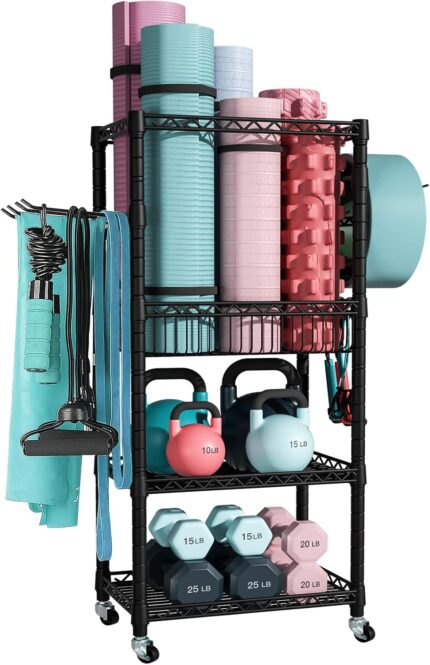
Home Gym Storage, 3 Tiers Workout Equipment Organizer with Wheels for Yoga Mats, Foam Roller, Dumbbells, Kettlebells, and Resistance Bands
Original price was: $139.99.$69.99Current price is: $69.99.How to Do a Sprinter Sit-Up
Good form is key to performing sprinter sit-ups correctly. Here’s a step-by-step guide to help you get started:
- Start in Position: Begin by lying on your back with your legs extended and arms by your sides. You can start with your feet slightly hovering or grounded.
- Brace Your Core: Press your lower back into the floor and engage your core muscles.
- Explosively Sit Up: Drive one knee towards your chest while rotating your torso to bring the opposite elbow towards the inside of the knee.
- Maintain Tension: Keep your non-working leg and arm slightly off the ground to maintain core tension and balance.
- Lower Under Control: Slowly lower yourself back to the starting position.
- Alternate Sides: Repeat on the other side, alternating sides with even reps on both.
Muscles Trained
Sprinter sit-ups work multiple muscle groups simultaneously, including:
- Rectus Abs: Powerful spinal flexion to lift your torso off the floor.
- Obliques: Fire during the elbow-to-knee twist, building rotational strength.
- Hip Flexors: Pulling the knee towards the chest reinforces hip-drive that carries over to sprinting and jumping.
- Serratus Anterior: Assists the rotational drive of the elbow to the opposite knee.
- Lower Back: Works to maintain a neutral spine on the eccentric phase, protecting your lumbar area.
Common Mistakes and Fixes
Like any powerful exercise, sprinter sit-ups can be prone to mistakes. Here are some common errors and how to fix them:
Jerking the Neck
- Mistake: Leading with your head and yanking your neck forward instead of using your core.
- Fix: Keep your chin tucked and focus on ribs to hips. Keep your gaze fixed slightly above your knees throughout the movement.
Using Momentum Instead of Muscle
- Mistake: Rocking your legs or flailing your arms to create flexion and rotation.
- Fix: Perform the movement with control and intention. Start with fewer reps and a slower tempo to dial in mechanics before adding speed.
Reduced Range of Motion
- Mistake: Only performing a mini-crunch instead of bringing the elbow to the inside of the opposite knee.
- Fix: Sit all the way up, rotate your torso, and aim to get your elbow past your midline and your knee as close to your chest as possible.
Letting the Non-Working Leg Drop
- Mistake: Resting the non-working leg on the floor, reducing muscular tension.
- Fix: Keep the non-working leg a few inches off the ground at all times to add intensity and force the core to work harder.
Benefits of Sprinter Sit-Ups
Sprinter sit-ups offer a range of benefits, including:
Enhanced Core Strength
- Quick and Powerful: Forces your core to contract quickly and powerfully, improving your ability to generate force fast.
- Athletic Performance: Essential for sprinting, jumping, lifting, and other athletic activities.
Improves Coordination
- Neuromuscular Connection: Builds coordination between your upper and lower body, teaching your brain and body to move efficiently.
- Cross-Body Connection: Enhances contralateral movement, the basis for our locomotion.
Enhances Postural Control
- Core Strength: Trains your trunk to resist folding under fatigue, building core strength that carries over to better posture in and out of the gym.
Programming Suggestions
To get the most out of sprinter sit-ups, incorporate them into your workout routine in the following ways:
- Core Strength: Use as your primary exercise 2-3 times per week, performing 3 sets of 12 reps per side and resting 1-2 minutes between sets.
- Conditioning Circuits: Pair with movements like jump squats, push-ups, or mountain climbers for a full-body burner. Perform 2-3 rounds of 30/30 work, rest intervals once weekly.
- Warmup: Use to wake up your core and fire up your hip flexors before sprinting, lifting, or jumping. Perform 2 sets of 8 reps per side before hitting the weights.
Conclusion
Sprinter sit-ups are a game-changing exercise that can take your core strength to the next level. By incorporating them into your workout routine, you’ll improve your athletic performance, enhance your coordination, and develop a stronger, more resilient core. Remember to focus on proper form and technique, and don’t be afraid to challenge yourself and push your limits.
FAQs
Q: What is a sprinter sit-up?
A: A sprinter sit-up is a bodyweight core exercise that combines spinal flexion with rotational and hip-flexor movements.
Q: How do I perform a sprinter sit-up?
A: Start by lying on your back with your legs extended and arms by your sides. Brace your core, explosively sit up, and rotate your torso to bring the opposite elbow towards the inside of the knee.
Q: What muscles do sprinter sit-ups work?
A: Sprinter sit-ups work multiple muscle groups, including the rectus abs, obliques, hip flexors, serratus anterior, and lower back.
Q: What are some common mistakes to avoid when performing sprinter sit-ups?
A: Common mistakes include jerking the neck, using momentum instead of muscle, reducing range of motion, and letting the non-working leg drop.
Q: How often should I incorporate sprinter sit-ups into my workout routine?
A: Incorporate sprinter sit-ups 2-3 times per week, performing 3 sets of 12 reps per side and resting 1-2 minutes between sets.
Q: Can I use sprinter sit-ups as a warm-up exercise?
A: Yes, sprinter sit-ups can be used as a warm-up exercise to wake up your core and fire up your hip flexors before sprinting, lifting, or jumping. Perform 2 sets of 8 reps per side before hitting the weights.