


Introduction to Bodyweight Training
When it comes to building strength, muscle, or burning fat, many people imagine lifting heavy weights at the gym. However, bodyweight training is a highly effective way to achieve these goals without the need for any equipment. In this article, we will explore the benefits of bodyweight training and provide you with five bodyweight circuits to enhance strength and fat loss.
What is Bodyweight Training?
Bodyweight training involves using your own body weight as resistance to build strength, increase muscle mass, and improve overall fitness. It is a great way to work out at home, outdoors, or even while traveling, as you don’t need any equipment. Bodyweight exercises can be modified to suit different fitness levels, making them accessible to everyone.
PREMIUM PRODUCTS



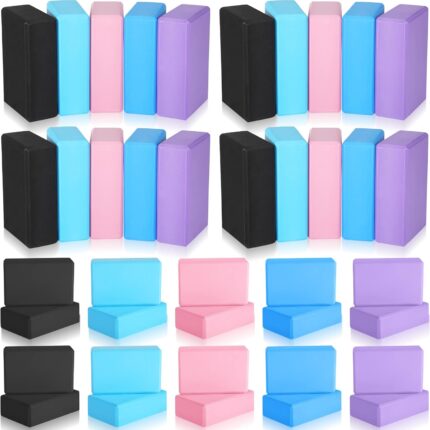
Meooeck 30 Pcs Yoga Blocks Bulk Eva Foam Block Pack, 9 x 6 x 3 Inch Exercise Brick Foam High Density Soft Non Slip Yoga Accessories for Exercise Pilates General Fitness and Workouts, Multicolor
Original price was: $1,445.00.$105.99Current price is: $105.99.

Benefits of Bodyweight Training
Bodyweight training has numerous benefits, including:
- Increased strength and muscle mass: Bodyweight exercises work multiple muscle groups at once, helping to build overall strength and muscle mass.
- Improved flexibility and mobility: Many bodyweight exercises require flexibility and mobility, which can help improve range of motion and reduce the risk of injury.
- Enhanced cardiovascular fitness: Bodyweight exercises can be done at a high intensity, making them an effective way to improve cardiovascular fitness and burn calories.
- Convenience: Bodyweight exercises can be done anywhere, anytime, without the need for any equipment.
How Bodyweight Circuits Work
Bodyweight circuits combine strength training with metabolic conditioning, making them an effective way to build muscle while burning fat. By programming compound exercises, reducing rest periods, and increasing total time under tension, you challenge your muscles and cardiovascular system. The key elements of bodyweight circuits include:
- Compound movement focus: Exercises that work multiple joints and muscles at once, such as squats, lunges, and push-ups.
- Minimal rest: Short rest periods between exercises and circuits to keep the heart rate elevated and boost caloric burn.
- Progressive overload: Increasing the difficulty of exercises over time by adding reps, sets, or weight to continue challenging the muscles.
- Time-efficient: Bodyweight circuits can be completed in a short amount of time, making them perfect for busy schedules.
5 Bodyweight Circuits to Enhance Strength and Fat Loss
Here are five bodyweight circuits to help you get started:
Bodyweight Circuit 1: Push and Pull Power
This circuit targets the upper body, focusing on pushing and pulling exercises.
- Equipment needed: Weight bench, suspension trainer, or squat rack
- Instructions: Rest for 30 seconds between exercises and perform 2-4 rounds
- Exercises:
- Decline push-ups: 30 seconds
- Inverted rows (suspension trainer or barbell): 30 seconds
- Pike push-ups: 30 seconds
- Superman hold: 30 seconds
Bodyweight Circuit 2: Quads of Steel
This circuit targets the legs, focusing on quadriceps, glutes, and calves.
- Equipment needed: Weight bench or elevated surface
- Instructions: Rest for 20 seconds between exercises and perform 3 rounds
- Exercises:
- Bulgarian split squats (right): 30 seconds
- Bulgarian split squats (left): 30 seconds
- Alternating spiderman with rotation: 30 seconds
- Iso wall sit: 1 minute
- Elevated standing calf raises: 30 seconds
Bodyweight Circuit 3: Core Crusher
This circuit targets the core, focusing on full core engagement.
- Equipment needed: None
- Instructions: Rest for 15 seconds between exercises, 90 seconds after each circuit, and perform 2-4 rounds
- Exercises:
- Rotational mountain climbers: 30 seconds (alternate sides)
- Hollow hold: 30 seconds
- Bird dog: 30 seconds (alternate sides)
- Plank to downward dog: 30 seconds
Bodyweight Circuit 4: Total Body Bonanza
This circuit targets the entire body, focusing on power, muscular endurance, and cardio conditioning.
- Equipment needed: None
- Instructions: Rest as needed and do as many rounds as possible (AMRAP) in 15 minutes
- Exercises:
- Jump squat: 8 reps
- Spiderman push-ups: 4 alternating reps to each side
- Alternating windmill side lunge: 8 reps per side
- Plank shoulder taps: 8 reps per side
Bodyweight Circuit 5: Power Up
This circuit targets power, athleticism, and fat-burning.
- Equipment needed: Weight bench for incline plyo push-ups and step-ups
- Instructions: Rest 40 seconds between each exercise, 90 seconds after each circuit, and do 2-3 circuits
- Exercises:
- Tuck jumps: 20 seconds
- Incline plyo push-up: 20 seconds
- Alternating explosive step-up: 20 seconds
- Sprint in place or high knees: 20 seconds
Weekly Bodyweight Routine Program
To get the most out of these bodyweight circuits, incorporate them into your weekly routine. Here’s a sample program:
- Monday: Quads of Steel
- Tuesday: Push and Pull Power
- Wednesday: Rest
- Thursday: Total Body Bonanza
- Friday: Core Crusher
- Saturday: Power Up or rest
- Sunday: Rest
Conclusion
Bodyweight training is a highly effective way to build strength, increase muscle mass, and improve overall fitness. By incorporating these five bodyweight circuits into your routine, you can enhance your strength and fat loss. Remember to start slow, listen to your body, and progress gradually to avoid injury.
FAQs
Q: What is bodyweight training?
A: Bodyweight training involves using your own body weight as resistance to build strength, increase muscle mass, and improve overall fitness.
Q: What are the benefits of bodyweight training?
A: The benefits of bodyweight training include increased strength and muscle mass, improved flexibility and mobility, enhanced cardiovascular fitness, and convenience.
Q: How do bodyweight circuits work?
A: Bodyweight circuits combine strength training with metabolic conditioning, making them an effective way to build muscle while burning fat. They involve compound exercises, minimal rest, progressive overload, and time-efficient workouts.
Q: What are some examples of bodyweight circuits?
A: Examples of bodyweight circuits include Push and Pull Power, Quads of Steel, Core Crusher, Total Body Bonanza, and Power Up.
Q: How can I incorporate bodyweight circuits into my weekly routine?
A: Incorporate bodyweight circuits into your weekly routine by doing 2-3 circuits per week, with at least one day of rest in between. Start with one circuit and gradually add more as you build strength and endurance.
Q: What are some tips for getting started with bodyweight training?
A: Tips for getting started with bodyweight training include starting slow, listening to your body, progressing gradually, and finding a workout buddy or community for support.